Gas Line Capping in Denver, CO
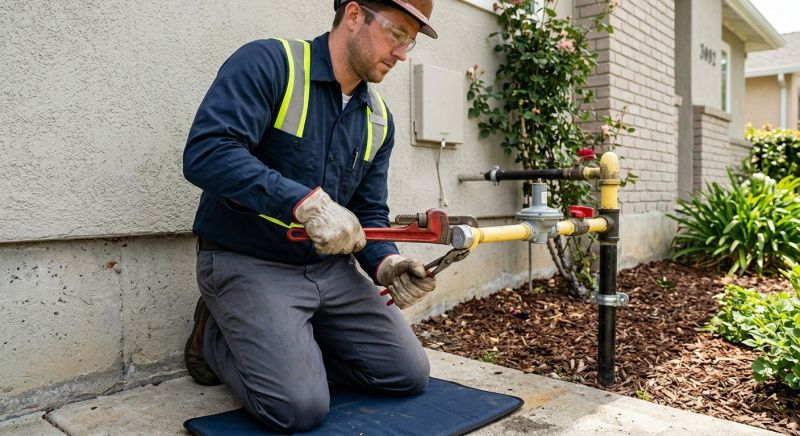
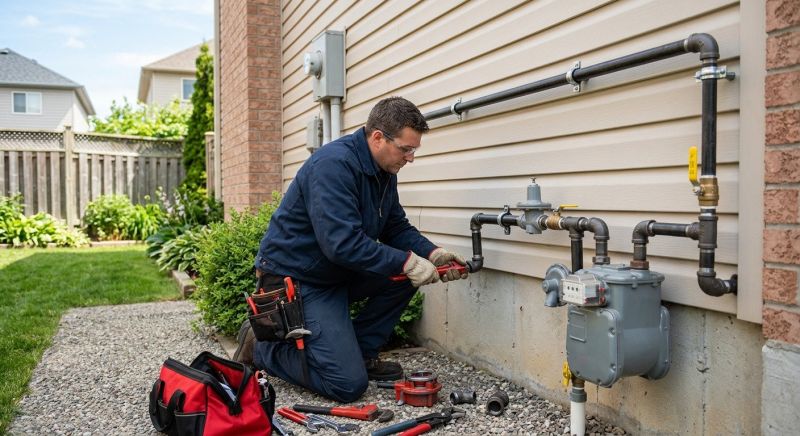
Gas line capping services involve safely sealing off existing natural gas or propane lines that are no longer in use or need to be temporarily shut down. This process is commonly requested during home renovations, appliance replacements, or when removing outdated or damaged gas lines. Property owners typically seek this service to ensure that unused gas lines are securely closed to prevent leaks, reduce safety hazards, and comply with local codes. Understanding the scope of the project, including the location and condition of the gas lines, is important before requesting capping services, as well as clarifying whether the work is part of a larger renovation or a standalone safety measure.
Before requesting gas line capping, property owners should consider the accessibility of the gas lines and whether any permits or inspections are required by local authorities. It’s also useful to know if the existing gas lines are active or decommissioned, and whether any additional work, such as removing appliances or rerouting lines, is involved. Clear communication about the specific project details helps ensure the service addresses safety concerns and meets local regulations. Properly capped gas lines provide peace of mind and help maintain a safe, compliant property environment.
Many property owners in Denver, CO look into Gas Line Capping for repairs, replacements, upgrades, and appearance-related improvements.
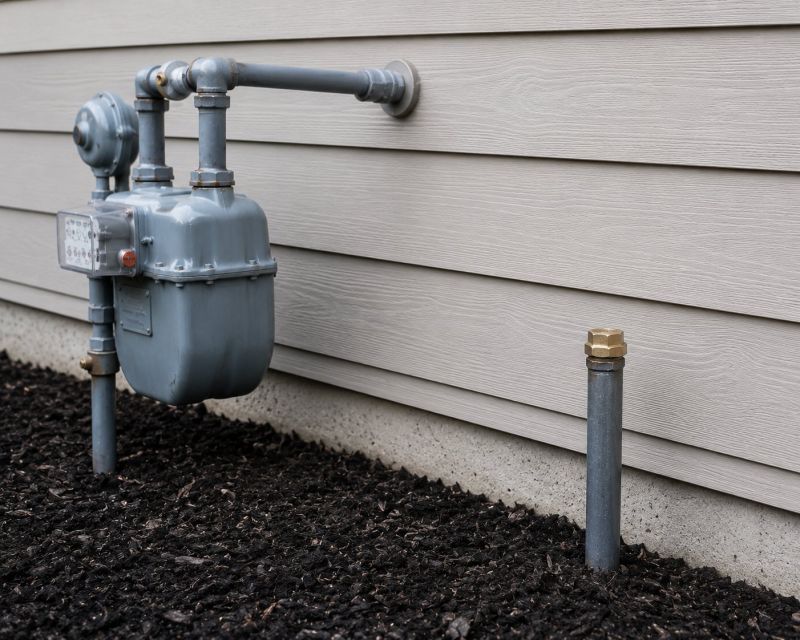
Gas Line Termination
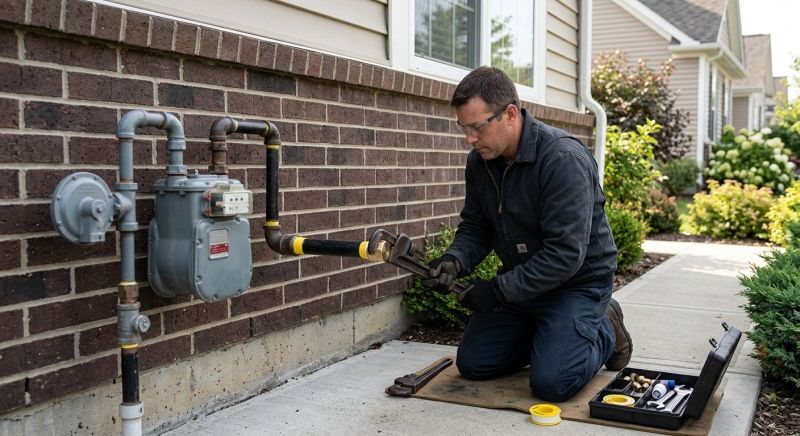
Proper capping ensures safety when a gas line is no longer in use or needs to be temporarily shut off.
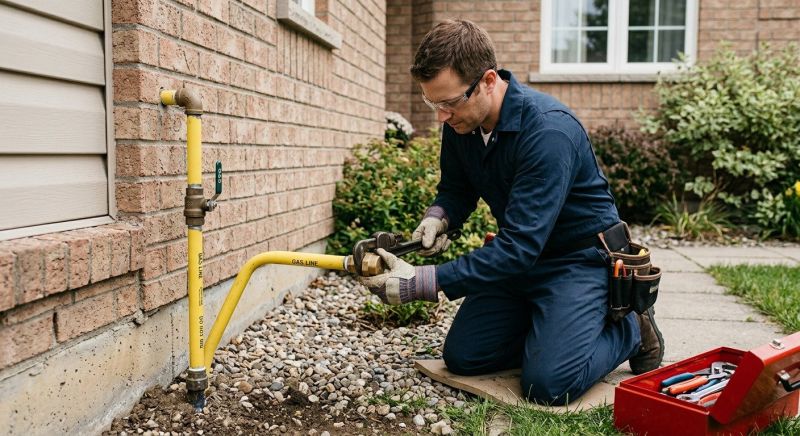
Emergency Gas Line Closure
Capping services provide a secure way to quickly shut off gas supply during repairs or emergencies in denver homes.
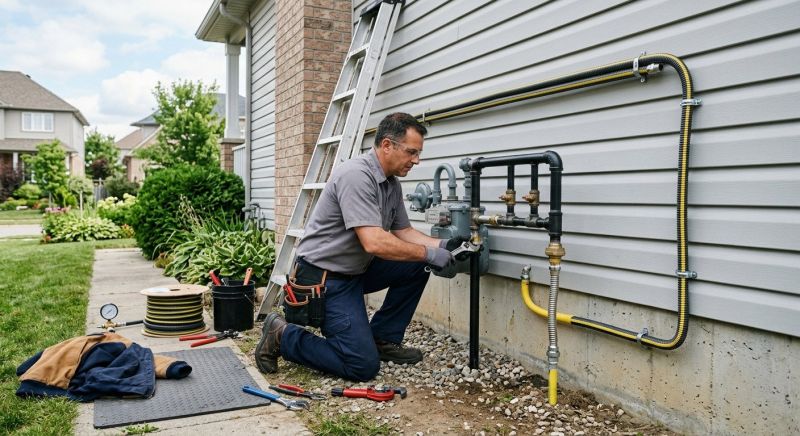
Gas Line Replacement Preparation
Capping old or damaged gas lines helps prepare properties for upgrades or new installations safely and efficiently.
Gas Line Capping in Denver, CO
Gas line capping services involve safely sealing off existing natural gas or propane lines that are no longer in use or need to be temporarily shut down. This process is commonly requested during home renovations, appliance replacements, or when removing outdated or damaged gas lines. Property owners typically seek this service to ensure that unused gas lines are securely closed to prevent leaks, reduce safety hazards, and comply with local codes. Understanding the scope of the project, including the location and condition of the gas lines, is important before requesting capping services, as well as clarifying whether the work is part of a larger renovation or a standalone safety measure.
Before requesting gas line capping, property owners should consider the accessibility of the gas lines and whether any permits or inspections are required by local authorities. It’s also useful to know if the existing gas lines are active or decommissioned, and whether any additional work, such as removing appliances or rerouting lines, is involved. Clear communication about the specific project details helps ensure the service addresses safety concerns and meets local regulations. Properly capped gas lines provide peace of mind and help maintain a safe, compliant property environment.
Many property owners in Denver, CO look into Gas Line Capping for repairs, replacements, upgrades, and appearance-related improvements.
Common Gas Line Capping Jobs
Gas Line Capping - Secures unused gas lines to prevent leaks and ensure safety.
Property Renovations - Capping gas lines during home remodels to accommodate new layouts.
Abandoning Old Lines - Properly sealing outdated gas lines to meet safety standards.
Emergency Shutoff - Quickly capping damaged or compromised gas lines to prevent hazards.
Line Replacement - Removing and capping old gas lines when upgrading to new systems.
Property Decommissioning - Safely capping gas lines when closing or selling a property.
Gas Line Capping Questions
Why might gas line capping be needed? Gas line capping is often required during property renovations, appliance upgrades, or when a gas line is no longer in use to ensure safety and compliance.
What types of gas lines can be capped? Both indoor and outdoor gas lines, including those for appliances, fireplaces, or unused connections, can be safely capped.
Is gas line capping safe for homeowners? Yes, when performed by professionals, gas line capping is a safe way to prevent leaks and ensure the integrity of the gas system.
What should property owners know before scheduling a gas line cap? It’s important to identify the correct line to be capped and ensure proper permits or inspections are followed as required by local codes.
Request Gas Line Capping in Denver, CO
Use the quote form on this page to share the basics of your project and request more information for the type of work you need.