Get Gas Line Relocation
Gas line relocation services help property owners safely move underground or overhead gas lines for renovations, new constructions, or safety improvements, handled by local contractors.
If you're considering relocating a gas line on your property, you're in the right place to find the information you need. Property owners often explore gas line relocation for projects such as home renovations, additions, or landscaping improvements that require new utility pathways. Planning these updates carefully can help ensure safety, compliance, and a smooth process. Comparing options among local contractors can provide clarity on the best approach for your specific project needs.
Finding the right service providers is an important step in the planning process. Local contractors who specialize in gas line work can offer insights into the most practical solutions for your property. Keep reading to learn how to connect with experienced professionals in your area who can assist with your gas line relocation project and help you navigate the options available.
- Gas Line Relocation for Renovations - when remodeling a property requires rerouting existing gas lines to accommodate new layouts.
- Emergency Gas Line Relocation - in urgent situations where gas lines need to be moved quickly to address safety concerns or damage.
- Property Expansion Projects - when adding new structures or extensions that require repositioning gas lines for proper service connections.
- Gas Line Upgrades or Modernization - during upgrades to meet current safety standards or to improve system efficiency.
- Land Development and Site Preparation - when preparing a site for construction, necessitating the relocation of gas lines to clear the area.
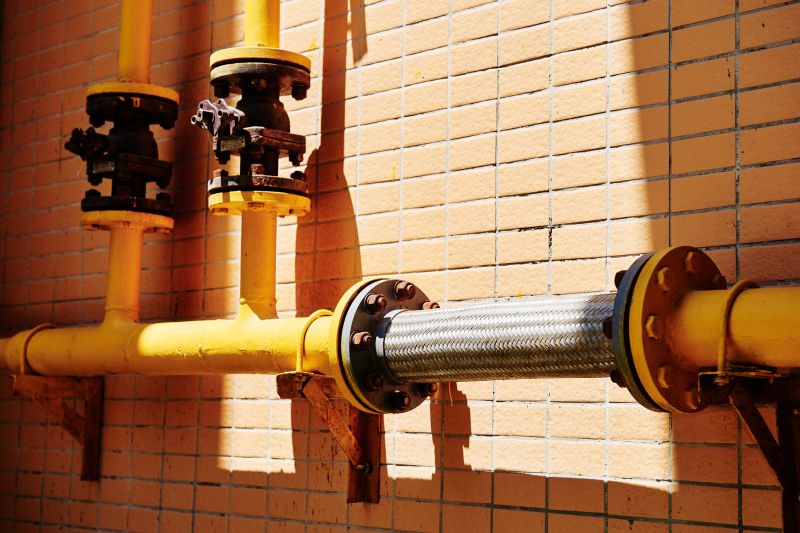
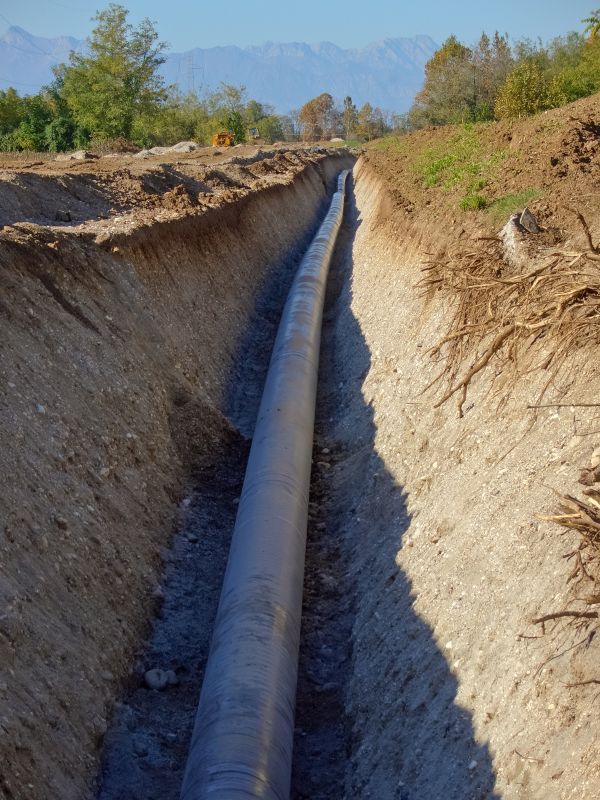
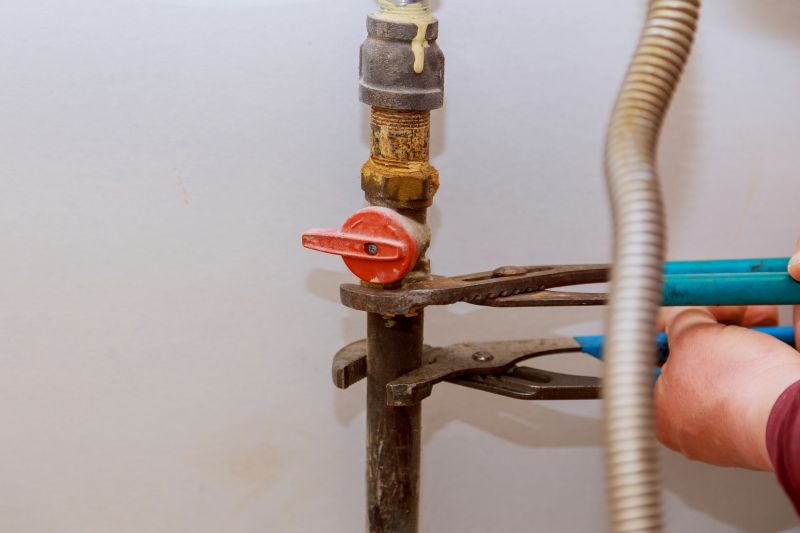
Gas line relocation services involve the process of safely moving existing natural gas lines from one location to another on a property. This work is typically required when a property owner plans to remodel, expand, or alter their home or landscape, and the current gas lines interfere with the new layout. Skilled service providers handle the entire process, which includes planning the new route, obtaining any necessary permits, and executing the move with attention to safety and compliance. These professionals use specialized equipment and techniques to ensure that the gas lines are rerouted properly, minimizing the risk of leaks or damage during and after the work.
Relocating a gas line can help resolve several common problems faced by homeowners. For example, if a driveway, patio, or foundation needs to be replaced or extended, the existing gas line may be in the way. Moving the line ensures that construction can proceed without the need for costly and complicated adjustments to the utility infrastructure. Additionally, if the current gas line is outdated or damaged, relocation offers an opportunity to upgrade to newer, safer piping. This service can also be necessary when a property is being renovated to improve safety, meet new code requirements, or accommodate new appliances that require a different gas connection point.
This service is often used on residential properties, including single-family homes, multi-family complexes, and even some commercial buildings. Homeowners planning kitchen remodels, outdoor kitchen installations, or additions that involve new gas appliances may need to have their gas lines rerouted. Properties with existing gas infrastructure that no longer fits the new layout or that require upgrades also benefit from gas line relocation. In many cases, property owners seeking to improve safety or comply with local codes will work with local contractors who specialize in gas line work to ensure the project is completed correctly and efficiently.
Choosing to work with experienced local service providers ensures that gas line relocation is handled safely and effectively. These professionals know the local regulations and have the expertise to assess the specific needs of each property. Whether it’s moving lines to accommodate new construction, upgrading outdated piping, or rerouting for aesthetic reasons, local contractors can provide tailored solutions. Homeowners should contact qualified service providers when planning any project that involves altering or relocating gas lines to ensure the work is done properly and in compliance with all applicable standards.
The overview below groups typical Gas Line Relocation projects into broad ranges so you can see how smaller, mid-sized, and larger jobs often compare in your area.
In many markets, a large share of routine jobs stays in the lower and middle ranges, while only a smaller percentage of projects moves into the highest bands when the work is more complex or site conditions are harder than average.
Smaller Repairs - typical costs for minor gas line relocations usually fall between $250 and $600. Many routine jobs in this range involve moving or adjusting existing lines with minimal excavation. Fewer projects reach the higher end of this spectrum, which may include additional materials or minor modifications.
Medium-Scale Projects - for more moderate relocations involving some rerouting or partial replacement, local contractors often charge between $600 and $2,000. These projects are common and can include rerouting lines within a property or upgrading existing infrastructure.
Large or Complex Jobs - larger projects, such as full line rerouts across longer distances or in difficult terrain, can range from $2,000 to $5,000 or more. Such jobs are less frequent and typically require extensive planning and materials.
Full Replacement - complete gas line replacements or major relocations can exceed $5,000, especially for extensive work involving significant excavation and new connections. These projects are less common and often involve complex site conditions or additional permits.
Actual totals will depend on details like access to the work area, the scope of the project, and the materials selected, so use these as general starting points rather than exact figures.
Underground Utility Line Installation - this project involves planning and installing underground lines, requiring similar skills in trenching, safety protocols, and utility mapping as gas line relocation services.
Water Line Replacement - replacing or rerouting water lines involves precise excavation, pipe handling, and planning to ensure proper connection and safety, paralleling gas line adjustments.
Drainage System Installation - installing new drainage or rerouting existing systems demands careful planning, trenching, and knowledge of underground utilities, similar to gas line work.
Electrical Conduit Installation - running electrical conduits underground involves trenching, planning, and coordination with existing underground infrastructure, akin to gas line relocation.
Storm Sewer Line Relocation - relocating storm sewer lines requires excavation, utility coordination, and trenching skills comparable to those used in gas line rerouting projects.
Foundation Piering and Underpinning - these projects involve ground excavation and precise planning to support structures, sharing skills in earthwork and site assessment with gas line relocation services.
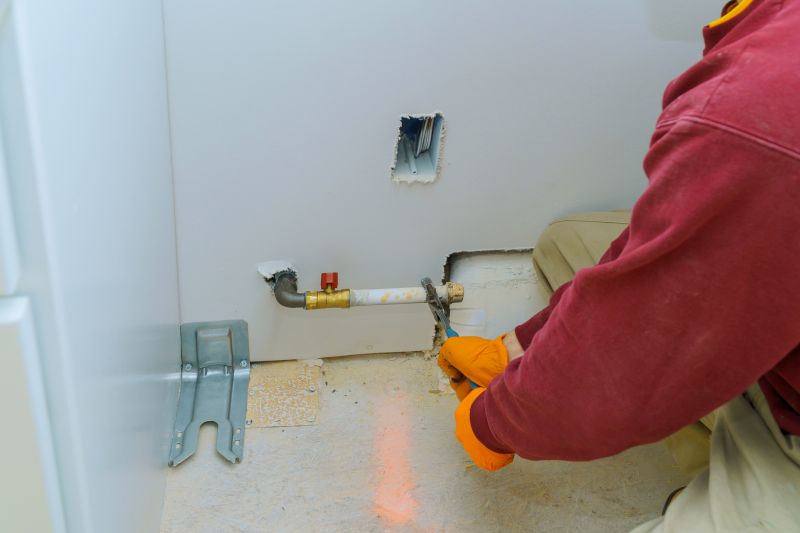
When evaluating potential service providers for gas line relocation, it’s important to consider their experience with similar projects. Homeowners should seek out contractors who have a proven track record in handling gas line adjustments, ensuring they are familiar with the specific challenges and safety considerations involved. Asking for details about past work or examples of completed projects can provide insight into their expertise and confidence in managing jobs of comparable scope and complexity.
Clear, written expectations are essential to a successful project. Homeowners should request detailed estimates or scope of work that outline the services provided, materials used, and any assumptions or exclusions. Having this information in writing helps prevent misunderstandings and ensures both parties are aligned on what the project entails. It also provides a point of reference throughout the process, making it easier to address any questions or concerns that may arise.
Reputable references and good communication are key factors when choosing a local contractor. Homeowners can ask for references from previous clients to gain insights into the contractor’s reliability, professionalism, and quality of work. Additionally, effective communication-such as prompt responses, clarity in explanations, and willingness to answer questions-can make the entire experience smoother. It’s important to work with service providers who are transparent and responsive, fostering a collaborative relationship that supports a successful gas line relocation.
Property owners use Gas Line Relocation services for practical projects around their homes and businesses. This guide focuses on everyday jobs and straightforward project options.
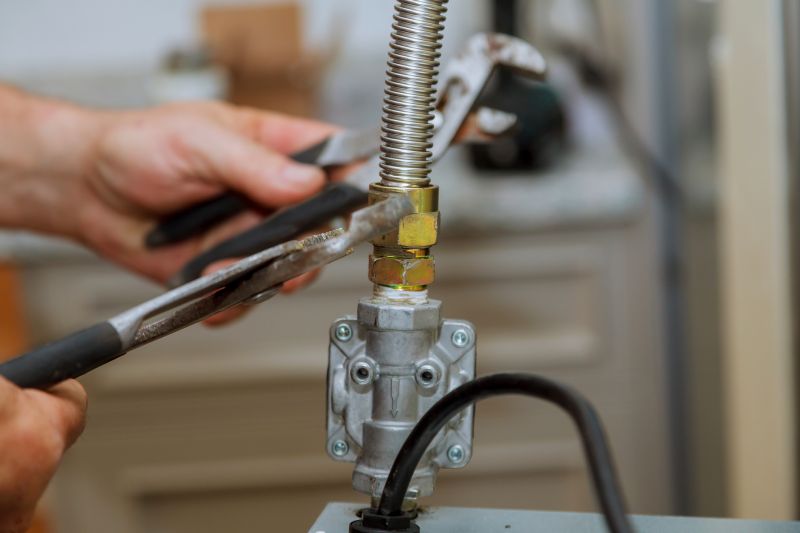
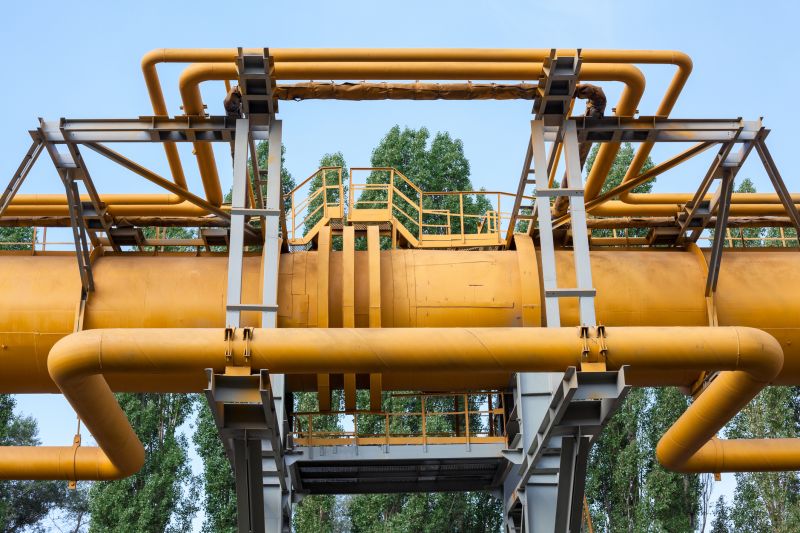
Gas line relocation services are often needed during home renovations, landscaping projects, or property expansions. Property owners in the area might seek these services to move existing gas lines safely when making changes to driveways, patios, or building layouts. Additionally, if a gas line is damaged or needs to be rerouted for safety reasons, local contractors can handle the work to ensure the gas supply remains secure and compliant with local codes.
In some cases, property owners may need to relocate gas lines to accommodate new appliances or outdoor features like fireplaces or grills. Local service providers can assist with these adjustments, providing the necessary expertise to reroute lines efficiently. Whether for routine upgrades or unexpected issues, connecting with experienced local pros can help ensure the job is completed properly and safely.
Why might I need to relocate a gas line? Gas line relocation may be necessary for home renovations, new construction, or to improve safety and accessibility around your property.
What types of projects require gas line relocation? Projects such as adding extensions, remodeling kitchens, or installing new appliances often require professionals to move existing gas lines safely and code-compliantly.
How do local contractors handle gas line relocation? Experienced service providers assess the site, plan the new route, and perform the relocation in accordance with safety standards and local regulations.
Are there permits required for gas line relocation? Permit requirements vary by location; local service providers can advise on the necessary approvals before beginning work.
How can I find qualified professionals for gas line relocation? This website helps connect with local contractors who specialize in gas line services and can handle your project efficiently.
Property Expansion Projects - Relocating gas lines can facilitate home additions or new outdoor features, ensuring safety and code compliance.
Kitchen or Bathroom Renovations - Moving gas lines allows for flexible layout changes when updating or expanding these spaces.
Outdoor Living Space Installations - Gas line relocation supports the addition of outdoor kitchens, fire pits, or lighting setups.
Garage or Workshop Conversions - Adjusting gas lines can enable the use of gas appliances in converted spaces or newly built structures.
If you are thinking about Gas Line Relocation for a property, this guide is meant to help you understand the work, the typical project types, and how different options might fit your plans.
When you are ready, you can use the quote form on this page to share a few details about your project. From there, local pros can review the basics and respond with options that match what you have in mind.