Natural Gas Line Replacement Services
Natural gas line replacements are essential for maintaining safety and efficiency in residential and commercial properties. The optimal timing for these replacements depends on various factors including the age of the existing lines, signs of corrosion, and local climate conditions. Proper scheduling can prevent costly repairs and minimize service disruptions.
Older natural gas lines may show signs of corrosion, leaks, or reduced pressure, indicating the need for replacement.
Replacing gas lines during routine inspections or maintenance can prevent unexpected failures and enhance safety.
Performing replacements during mild weather conditions reduces complications related to extreme cold or heat.
Local regulations may specify timelines or conditions for gas line replacements to ensure safety standards are met.
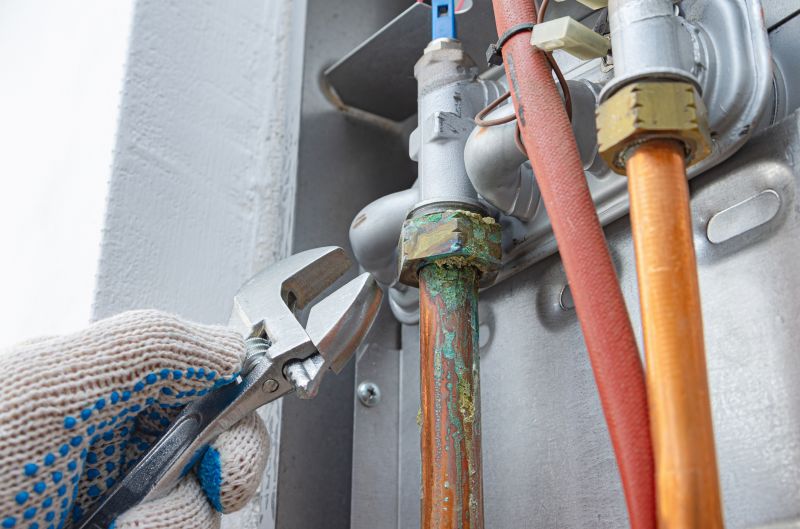
Technicians inspecting gas lines for corrosion and leaks.
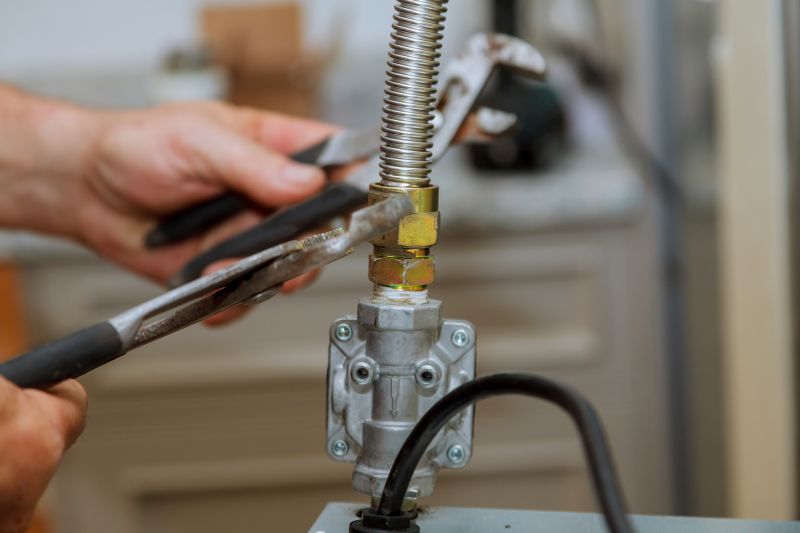
Removal of old gas pipes and installation of new lines.
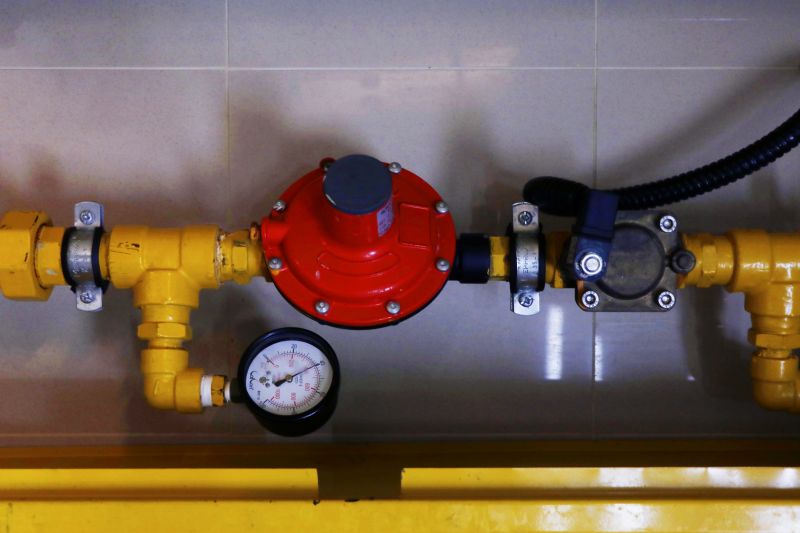
Use of safety gear during gas line replacement procedures.
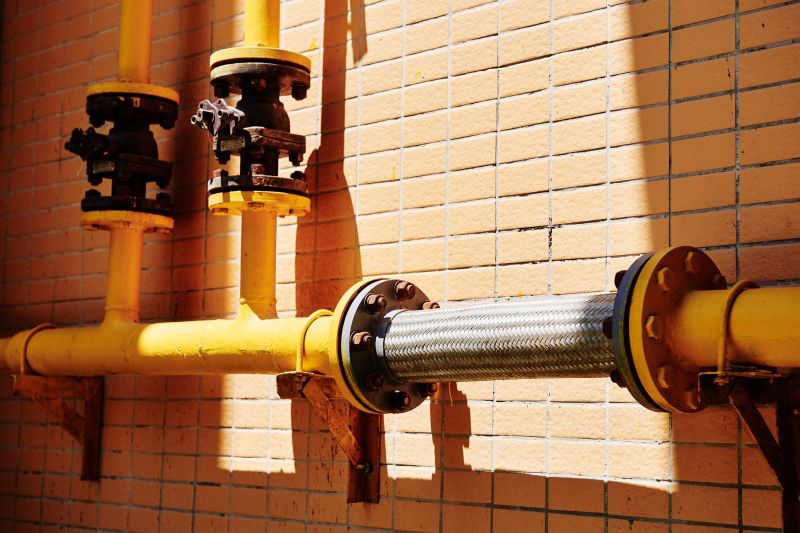
Ways to make Natural Gas Line Replacements work in tight or awkward layouts.
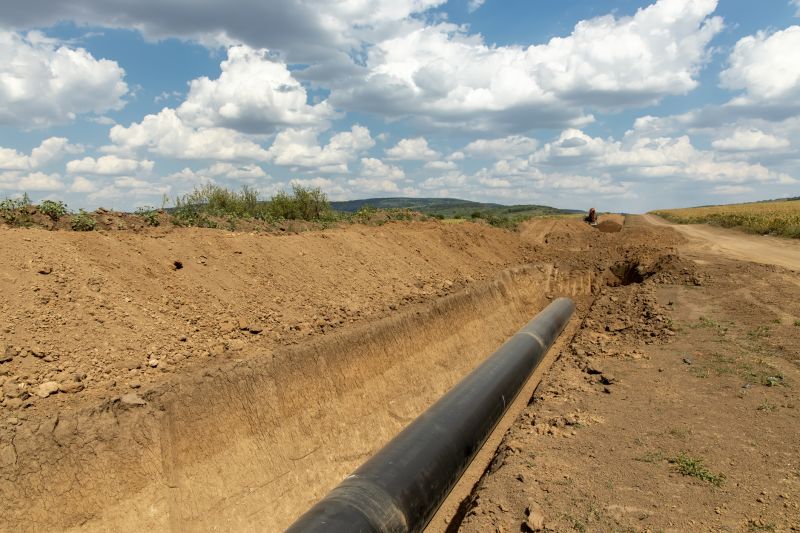
Popular materials for Natural Gas Line Replacements and why they hold up over time.
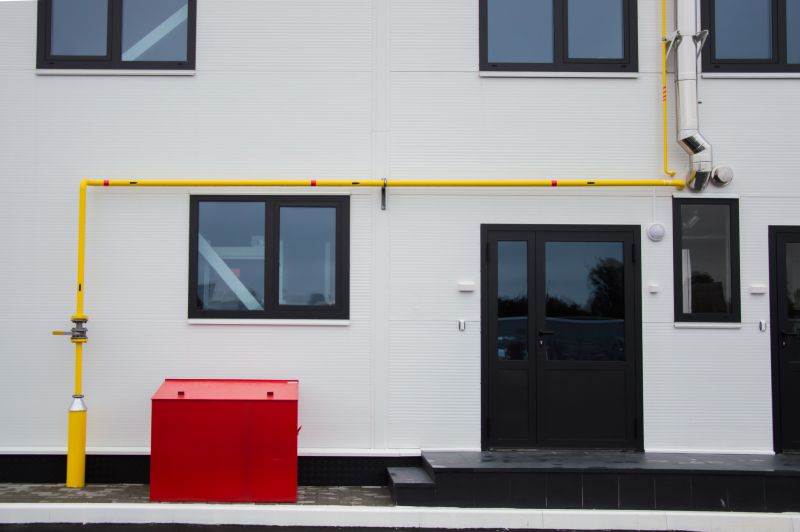
Simple add-ons that improve Natural Gas Line Replacements without blowing the budget.
| Factor | Details |
|---|---|
| Age of Existing Lines | Lines over 50 years old are prime candidates for replacement. |
| Leak Detection | Frequent leaks indicate the need for timely replacement. |
| Corrosion Signs | Visible rust or pitting suggest deterioration. |
| Local Climate | Regions with extreme weather may accelerate pipe aging. |
| Usage Changes | Adding new appliances may require updated gas lines. |
| Inspection Results | Regular inspections can identify optimal replacement times. |
| Regulatory Requirements | Compliance deadlines may dictate replacement schedules. |
| Property Upgrades | Renovations often necessitate gas line updates. |
Natural gas line replacements are a critical component of maintaining a safe and efficient utility system. They help prevent leaks, reduce the risk of fire hazards, and ensure consistent gas flow. The decision to replace gas lines should be based on a combination of age, condition, and operational needs. Regular inspections and adherence to safety standards are essential for determining the right timing for replacements.
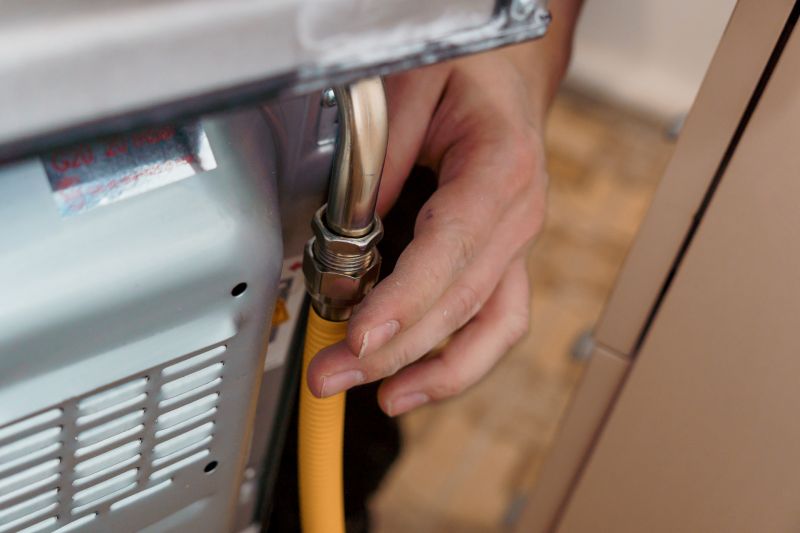
Specialized tools used for safe removal and installation.
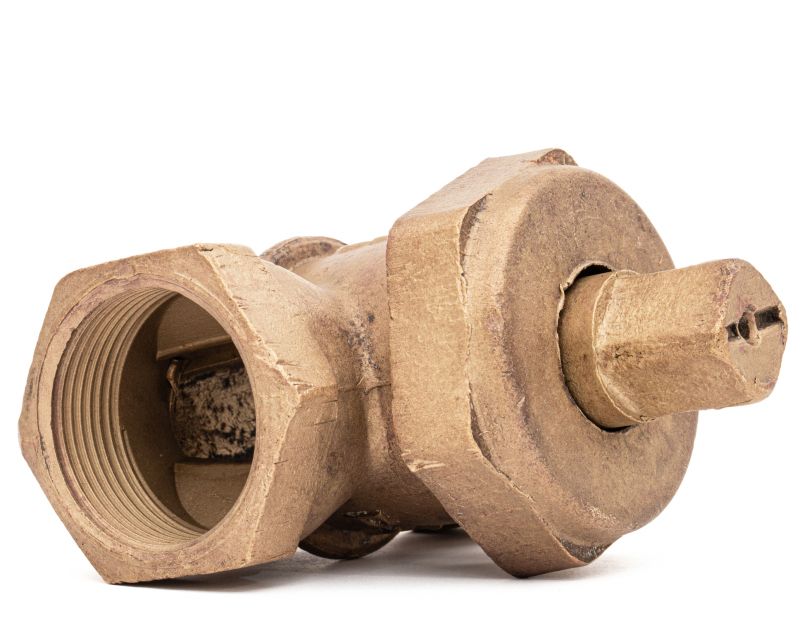
Comparison of deteriorated and modern piping materials.
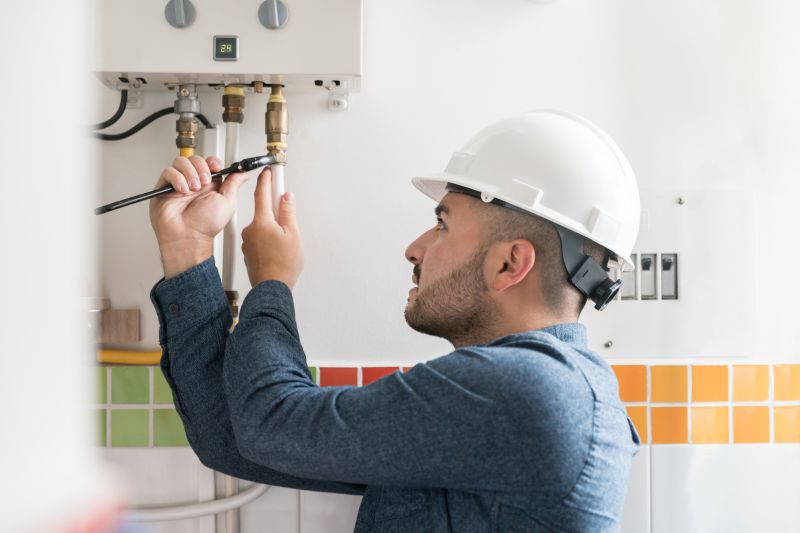
Professionals performing gas line installations.
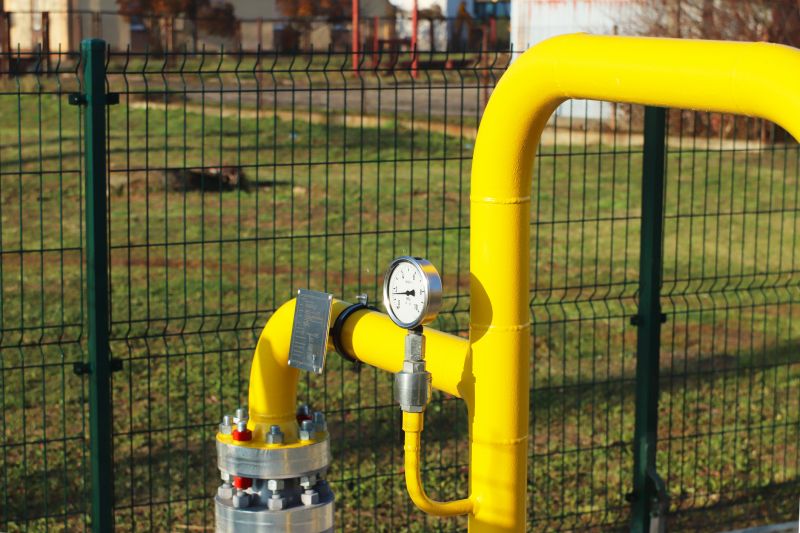
Devices used to assess pipe integrity.
Choosing the right time for natural gas line replacement involves evaluating pipe condition, usage needs, and operational safety. Proper planning can minimize downtime and ensure compliance with safety standards. Regular assessments and professional inspections are recommended to determine the optimal schedule for replacements.
Interested in scheduling a gas line replacement? Fill out the contact form to get more information and assistance.