Gas Line Relocation in Denver, CO
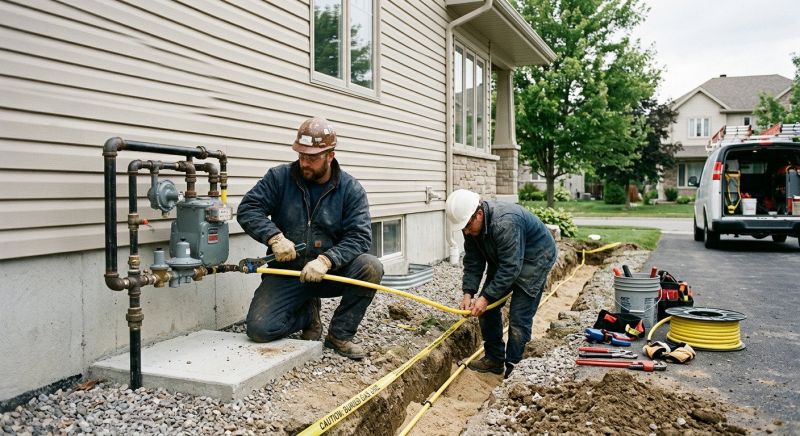
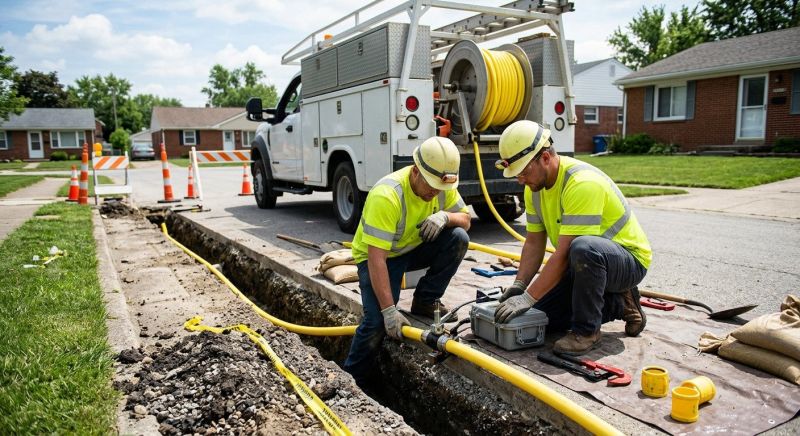
Gas line relocation services involve safely moving existing gas lines to accommodate home renovations, additions, or property improvements. This process covers a variety of projects, including expanding living spaces, installing new appliances, or rerouting lines due to property developments. Property owners should understand the scope of work, potential permits or approvals needed, and the importance of precise planning to ensure safety and compliance throughout the relocation process.
Before requesting gas line relocation, homeowners typically want to know about the overall cost, the impact on their property, and any necessary preparations. It’s also important to inquire about the timeline, potential disruptions, and how the new gas lines will be integrated with existing systems. Clear communication about these factors helps ensure the project proceeds smoothly and meets safety standards.
Many property owners in Denver, CO look into Gas Line Relocation for repairs, replacements, upgrades, and appearance-related improvements.
Reasons For Gas Line Relocation
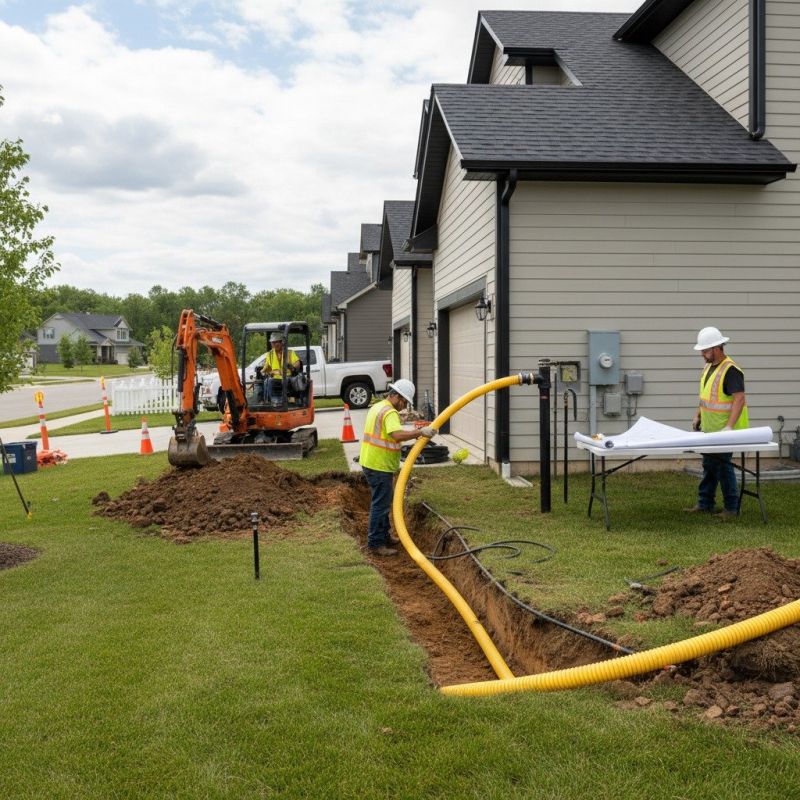
Relocating gas lines can improve safety, accessibility, and property layout in denver homes.
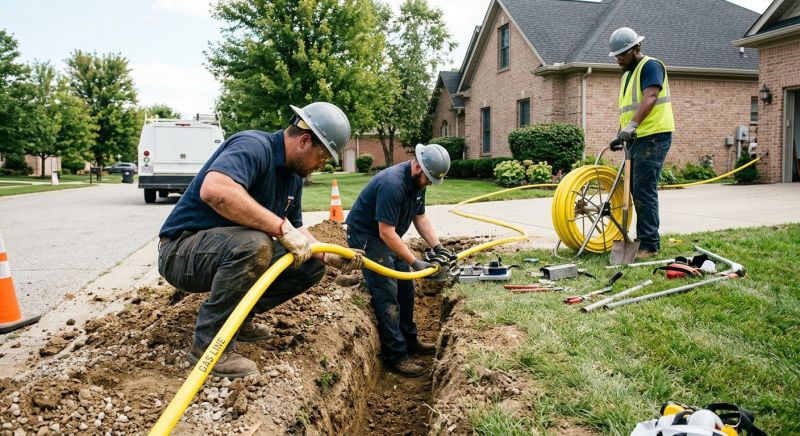
Common Projects Involving Gas Lines
Gas line relocation is often needed during home renovations, additions, or new construction projects.
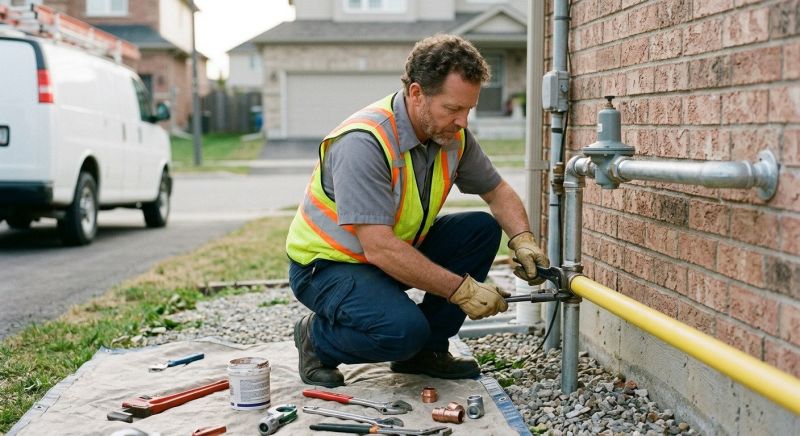
Key Considerations For Property Owners
Proper planning and adherence to safety codes are essential when relocating gas lines in denver and nearby areas.
Gas Line Relocation in Denver, CO

Gas line relocation services involve safely moving existing gas lines to accommodate home renovations, additions, or property improvements. This process covers a variety of projects, including expanding living spaces, installing new appliances, or rerouting lines due to property developments. Property owners should understand the scope of work, potential permits or approvals needed, and the importance of precise planning to ensure safety and compliance throughout the relocation process.
Before requesting gas line relocation, homeowners typically want to know about the overall cost, the impact on their property, and any necessary preparations. It’s also important to inquire about the timeline, potential disruptions, and how the new gas lines will be integrated with existing systems. Clear communication about these factors helps ensure the project proceeds smoothly and meets safety standards.
Many property owners in Denver, CO look into Gas Line Relocation for repairs, replacements, upgrades, and appearance-related improvements.
Common Gas Line Relocation Jobs
Gas Line Relocation - Services include moving gas lines to accommodate renovations or new construction projects.
Property upgrades - Relocating gas lines for kitchen remodels, additions, or basement finishing.
Safety compliance - Ensuring gas lines are correctly rerouted to meet safety standards and codes.
Outdoor projects - Moving gas lines for outdoor kitchens, fire pits, or landscaping features.
Emergency adjustments - Quickly rerouting gas lines to address urgent repair or safety concerns.
Planning assistance - Providing guidance on the best approach for relocating gas lines safely and efficiently.
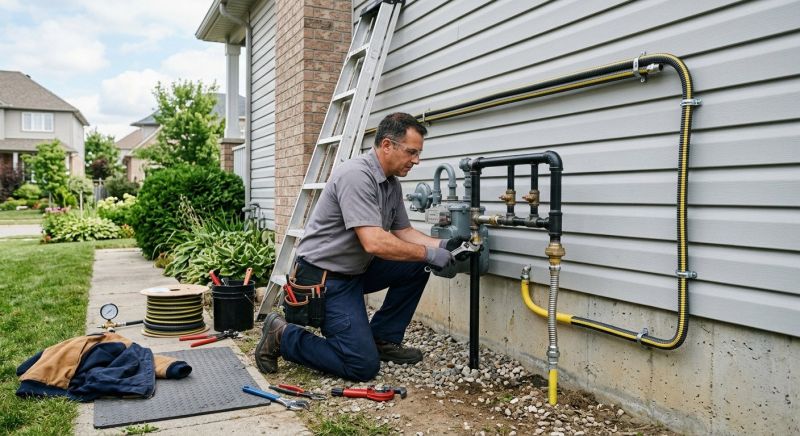
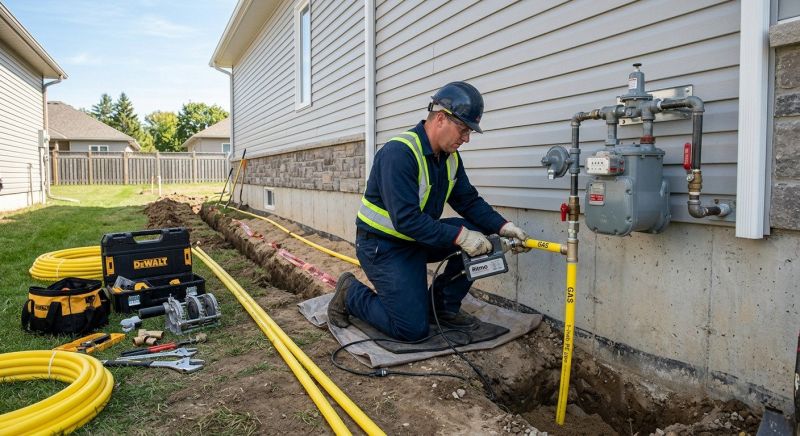
Gas Line Relocation Questions
What is gas line relocation? Gas line relocation involves moving existing gas lines to a different location on a property, often for renovations or new construction projects.
Why might a property owner need gas line relocation? It may be necessary to improve safety, comply with building codes, or accommodate changes in property layout or outdoor features.
What types of projects typically require gas line relocation? Projects such as kitchen remodels, outdoor kitchens, landscaping, or adding new appliances often involve relocating gas lines.
What should property owners consider before starting a gas line relocation? Ensuring proper planning and adherence to safety standards helps facilitate a smooth and compliant relocation process.
Request Gas Line Relocation in Denver, CO
Use the quote form on this page to share the basics of your project and request more information for the type of work you need.